

Leadership Lessons That Fit Your Homeschool Day


Start Strong: Foundations That Build Confident Young Leaders
Communication Mastery Without Stage Fright
Mini-Speech Blueprint
Family Debate Cards
Project Leadership Through Service and Entrepreneurship
Service Sprint Planner
Pick a community need you can meet in a week, such as assembling hygiene kits or organizing a park tidy hour. The planner walks students through stakeholder mapping, materials lists, role assignments, and a realistic one-page schedule. Include a quick communication plan for invites and updates. Afterward, document outcomes with photos and a short gratitude note to helpers. This sprint format turns good intentions into visible impact, while sharpening planning, accountability, and thoughtful follow-through for future efforts.
Kitchen-Table Startup Canvas
Sketch a tiny venture on one sheet: customer, problem, solution, costs, price, channels, and values. Test ideas with pre-orders from neighbors or family friends. Track expenses honestly and celebrate responsible record-keeping. Rotate leadership roles between marketing, logistics, and customer care across weeks. End with a mini financial report and customer feedback circle. Students learn initiative, ethical selling, and disciplined planning without pressure to scale, discovering how meaningful work and integrity can grow side by side.
Risk, Ethics, and Impact Retrospective
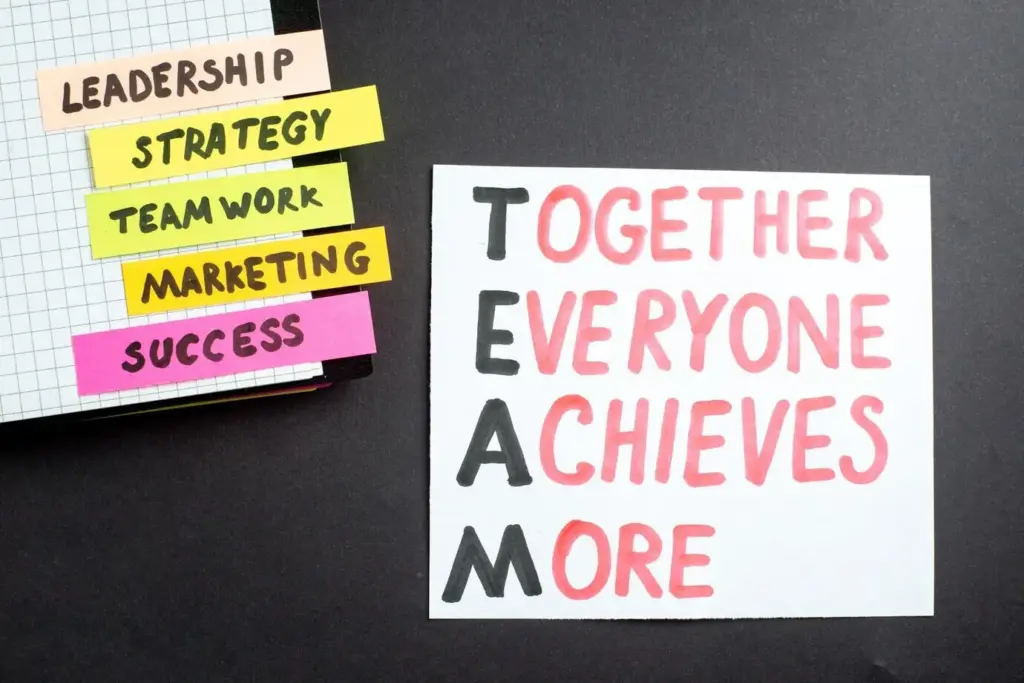
After any project, invite a calm, curious debrief. What risks did we notice early, which emerged later, and how did our choices affect others? Use color-coded sticky notes for wins, surprises, and improvements. Add an ethics check: fairness, transparency, and sustainability. Close with a thank-you message to supporters and a commitment to one next-step improvement. This reflective ritual builds mature judgment, humility, and foresight—qualities that distinguish reliable leaders from simple task managers over time.

Decision-Making, Ethics, and Critical Thinking

Roles, Rotations, and Check-ins

Conflict Resolution Playbook
Measuring Progress With Compassion and Clarity


Real Stories: Wins, Stumbles, and Lessons That Stick
All Rights Reserved.