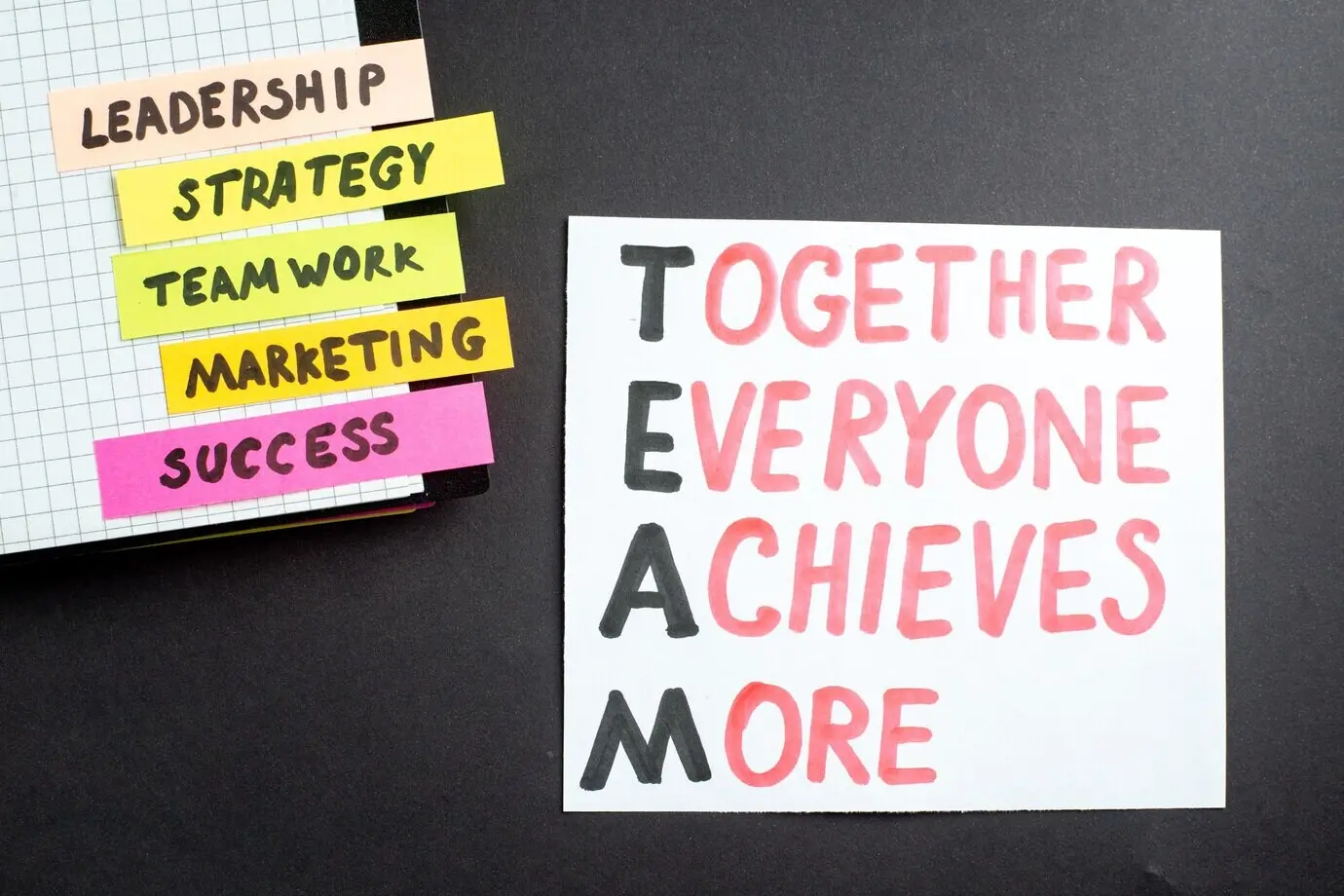

Make Soft Skills Tangible With DIY Lesson Kits

Bring communication, empathy, collaboration, and conflict resolution to life with hands-on activities you can assemble at home or work. Today we explore DIY Soft Skills Lesson Kits that are modular, printable, and surprisingly easy to facilitate anywhere. Expect practical frameworks, vivid examples, and inspiring anecdotes from classrooms and teams that transformed awkward practice into confident behaviors. Share your build ideas, ask questions, and subscribe for more adaptable prompts, card sets, and facilitation moves you can remix to fit your unique context.

Why Hands-On Soft Skills Kits Work

When learners can touch artifacts, sort options, and rehearse conversations aloud, abstract ideas become memorable actions. DIY Soft Skills Lesson Kits encourage low-stakes practice, immediate feedback, and reflection that sticks. By combining scenario cards, behavior checklists, and debrief prompts, people safely experiment with approaches before real stakes appear. Cognitive load drops, confidence grows, and teams begin speaking a shared language. Comment with moments when practice changed outcomes, and we will fold your stories into future kit examples.

Cognitive hooks that stick

Well-designed prompts act like anchors in memory, connecting short phrases, icons, and colors to specific behaviors. Dual coding improves recall, while micro-challenges demand retrieval, not passive recognition. Kits intentionally space practice, mixing easy wins with harder choices so patterns form naturally. Add quick reflection cards that ask what worked, why it worked, and how it felt, turning fleeting insight into repeatable strategies. Invite participants to photograph their favorite cards and explain choices to deepen retention.

Confidence through low-stakes practice

Role-play can feel intimidating until it becomes predictable, brief, and psychologically safe. Kits normalize small, timed rehearsals where mistakes are expected, language is exploratory, and observers focus on behaviors, not personalities. Participants cycle through roles, try alternate lines, and compare outcomes, building fluency through repetition. A visible timer, reset tokens, and supportive feedback stems lower anxiety. Confidence appears not from perfect speeches, but from many quick attempts that feel achievable and useful.

Mapping Skills to Real Situations

Identify pivotal moments

List the specific moments where a better conversation would shift results: first one-on-ones, difficult feedback, upset customers, or cross-team handoffs. Note time limits, communication channels, and emotional climate. Add pre- and post-behavior indicators so learners notice progress. When these moments are precise, scenarios feel authentic rather than theatrical. Encourage participants to bring their own real examples, then anonymize and transform them into cards, creating personal relevance without exposing sensitive details.

Persona-driven scenarios

Use brief personas that highlight goals, constraints, preferred communication styles, and cultural norms. A stressed engineer, a patient in pain, a teacher with thirty students, or a parent juggling two jobs will respond differently to the same phrasing. Personas prevent generic conversations and teach perspective-taking. Include mini backstories and subtle cues that hint at deeper needs, then watch learners adjust approaches. Rotate personas between groups, comparing tactics and outcomes to sharpen adaptive communication skills.

Outcome-aligned objectives

Define what success looks like using behaviors, not buzzwords. For example, confirm understanding with a paraphrase, set a next-step deadline, or agree on a check-in frequency. Provide rubrics that evaluate clarity, empathy, and alignment to goals. This avoids debates about style and focuses effort on impact. When objectives align with real performance metrics, practice becomes purposeful. Encourage participants to set personal stretch goals and track micro-improvements across sessions for sustained momentum.

Cards that trigger dialogue

Cards should invite talk, not speeches. Use open questions, branching choices, and conversation stems that push beyond polite agreement. Distinguish categories by color and icons: listening prompts, conflict frames, alignment checks, and next-step commitments. Place difficult options alongside graceful recovery lines so experimentation feels safe. Keep text short and legible from across a table. Consider expansions with industry-specific jargon to raise fidelity without overwhelming first-time facilitators or participants still building confidence.

Guides for first-time facilitators

Teacher-proof your kit with a one-page quick start: goals, materials, setup, and a three-step flow. Add timing estimates, sample phrases, and troubleshooting tips for common hurdles like dominating voices or awkward silence. Provide variants for small groups, remote sessions, and asynchronous practice. Include a simple checklist to track progress, plus reminders to invite quieter perspectives. With clear instructions, any teammate can lead, reducing dependency on experts and making practice sustainable across time and turnover.

Building and Printing on a Budget

DIY means accessible. Use index cards, binder rings, cardstock, and low-ink templates to assemble durable kits quickly. Keep margins generous, fonts readable, and file sizes small for easy sharing. Laminating pouches, card sleeves, or simple corner protectors extend life without expensive gear. Invite participants to color, annotate, and personalize components, creating ownership that lifts engagement. Post photos of your builds, and we will compile community-tested layouts, suppliers, and clever storage hacks that travel well.

Facilitation Moves That Elevate Practice

Facilitators do not need to be charismatic, just intentional. Establish norms, timebox generously, and model curiosity. Use visible timers, roles, and rotation rules to keep energy balanced. Invite silence, then spotlight useful phrases. During conflict simulations, protect psychological safety with clear boundaries, opt-outs, and recovery steps. End with commitments that feel small yet visible. Share your favorite moves in the comments, and we will assemble a living playbook anyone can apply with confidence tomorrow.

Warm-ups that invite voices

Begin with quick activities that lower stakes: sentence completions, silent sticky-note storms, or paired paraphrasing. Use playful constraints like speaking without adjectives or framing a request in five words. Rotate spokespersons to broaden participation. Honor different processing speeds by mixing writing and talking. Small wins early on nudge reluctant participants to test new language later. Keep the first success effortless so confidence rises before scenarios increase in complexity and emotional intensity.

Structured role-play that feels safe

Write roles with clear goals and boundaries, including what is fair game and what is off-limits. Provide observers with behavior checklists so feedback is descriptive, not judgmental. Use reset tokens to redo awkward lines without embarrassment. Keep rounds short and rotate roles so no one is stuck. Emphasize debriefs that examine choices, not personalities. When safety is intentional, people risk more, learn faster, and carry new phrases into real conversations with genuine ease.

Debriefs that transform insight into habit

Debriefs turn activity into learning. Ask what surprised, which behaviors shifted outcomes, and how people knew progress occurred. Capture exact phrases that worked and pin them to a visible wall or shared document. Invite two-sentence commitments: one action, one trigger. Schedule a brief follow-up to report back. This loop, repeated across sessions, reshapes culture more reliably than sporadic workshops. Encourage anonymous reflections too, inviting honesty that uncovers blind spots and future kit improvements.

Measuring Impact and Iterating

Track change with humane metrics that matter. Combine quick pulse checks, behavior counts, and short stories that reveal nuance. Compare pre- and post-session confidence, note conversational steps used in real meetings, and gather examples where outcomes improved. Share anonymized wins with your group to reinforce progress. Treat kits as living systems: version materials, log changes, and test alternatives. Send us your data snapshots, and we will highlight community discoveries readers can adapt immediately.

Simple data that matters

Choose three signals connected to real work: time-to-resolution, talk-to-listen ratio, and clarity of next steps. Track them lightly for a few weeks before and after practice. Supplement numbers with brief narratives, capturing context and emotions. When patterns emerge, adjust scenarios, prompts, or timing. Keep the data visible to the team so improvement feels collective, not individual. This balanced approach prevents vanity metrics while spotlighting the behaviors that genuinely move outcomes forward.

Feedback loops with participants

End sessions with quick postcards, QR forms, or voice notes where participants share what they used, where they struggled, and which cards resonated. Hold short check-ins to review commitments and celebrate small wins. Invite volunteers to propose new scenarios grounded in current challenges. Open the floor for critiques of language and tone, especially across cultures. These loops create co-ownership, making kits more inclusive and adaptive as needs shift across seasons, teams, and environments.

Tikovirefizuluzi
Privacy Overview

This website uses cookies so that we can provide you with the best user experience possible. Cookie information is stored in your browser and performs functions such as recognising you when you return to our website and helping our team to understand which sections of the website you find most interesting and useful.