

Ready-to-Use Soft Skill Kits That Jump-Start Careers
Today we explore Job-Readiness Soft Skill Activity Kits for Workforce Programs, practical, facilitator-friendly bundles that turn abstract expectations into tangible practice. Through role-plays, micro-projects, reflection prompts, and employer-informed scenarios, learners rehearse communication, teamwork, problem-solving, and professionalism. These kits bridge classroom and workplace, building confidence, language, and habits that transfer to interviews, onboarding, and daily performance. Subscribe, share a story, and help us refine activities that truly move participants from learning to lasting results.
Communication that Lands with Clarity
Employers often remember how candidates make information easy to understand under time pressure. These activities focus on concise messages, active listening, and respectful tone, helping participants advocate for needs, clarify expectations, and avoid misunderstandings. Facilitators receive step-by-step guides, time boxes, and debrief questions to draw out insights and boost retention. Invite learners to practice weekly, track wins, and celebrate moments when clarity prevents rework or builds trust with colleagues and supervisors.
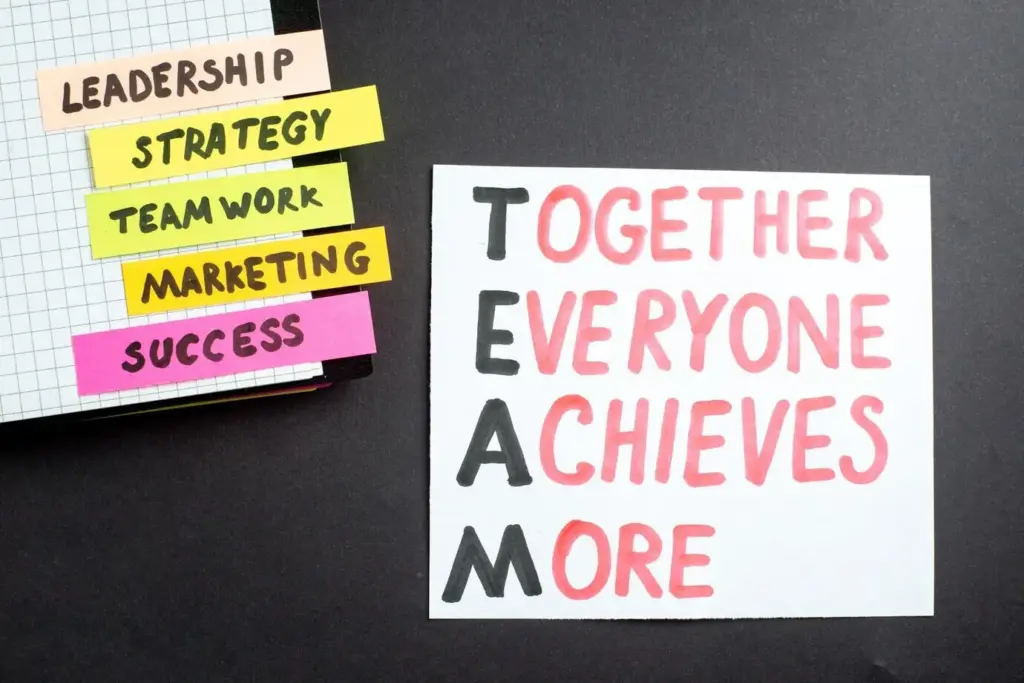
Teamwork and Collaboration That Deliver Results
Real workplaces succeed when people align responsibilities, surface risks early, and coordinate handoffs smoothly. These activities give participants tools to define roles, resolve friction respectfully, and build predictable habits. Templates and cue cards lower cognitive load so learners focus on relationships and outcomes. Stories from alumni illuminate how consistent rituals create safety and momentum. Programs can invite employer partners to observe, give feedback, and even co-facilitate for authentic expectations and language.

Problem-Solving and Adaptability Under Pressure
Work rarely goes exactly as planned. These activities give participants practical frameworks to assess situations, decide quickly, and adapt responsibly. Learners use checklists, decision matrices, and risk scans on realistic caselets from retail, manufacturing, and care settings. Facilitators emphasize bias awareness and seeking second opinions when consequences are high. Reflection prompts build metacognition so participants explain their reasoning concisely to supervisors, demonstrating judgment and humility—two qualities managers consistently reward with trust and opportunity.
Professionalism, Time Management, and Reliability

Backward Planning: Map the Work, Then the Day
Participants deconstruct a deliverable into milestones, estimate buffers, and schedule micro-commitments on a single sheet. They practice calendar holds, focus sprints, and finish-line checklists. Debriefs tie planning to reduced stress and higher quality. The kit includes scenarios from shift-based environments where precise handoffs matter. Learners develop language for negotiating priorities with supervisors, showing initiative without overpromising. This approach builds reliable habits that sustain performance beyond training into busy, seasonal peaks.

Promise Tracking: Commit, Deliver, Review
Using a simple log, learners record commitments, target dates, and status. Daily, they update progress and request help early when necessary. Facilitators normalize surfacing risks before deadlines and celebrate transparent adjustments. The practice turns reliability into visible artifacts managers can trust. Participants also rehearse closing the loop: confirming completion and asking for feedback. Over weeks, the log becomes evidence during interviews, performance conversations, and probationary periods, showcasing ownership and consistent follow-through.

Professional Presence: Dress, Demeanor, Digital Footprint
This activity invites a respectful audit of attire, language, and online impressions across varied industries. Learners compare expectations for customer-facing versus back-of-house roles and craft a personal checklist for first impressions. Facilitators coach neutral, inclusive feedback while honoring culture and budget. Participants practice introducing themselves confidently, adjusting tone to audience, and curating public profiles. The result is authenticity presented with care, helping new hires earn trust quickly in diverse workplace settings.
Inbox Triage: From Flood to Flow

Participants process a mock inbox, triaging messages by urgency and importance, then applying templates for status updates, confirmations, and polite declines. They learn batching, subject line clarity, and using flags or labels. Facilitators model when to switch channels for speed. The activity ends with a personal SOP that reduces anxiety. Learners discover how thoughtful email habits prevent dropped balls, impress supervisors, and free time for deep work that creates visible value.
Meeting Etiquette: Camera, Chat, Signals

This simulation sets norms for video calls: hand signals to interject, chat for links, and shared notes for decisions. Learners practice concise speaking turns, naming the purpose up front, and summarizing actions before closing. The kit includes accessibility considerations and bandwidth contingencies. Participants experience how clear rituals make meetings shorter and kinder. Employers appreciate new hires who stabilize meeting culture, save minutes, and ensure follow-through with crisp, accessible documentation every attendee can trust.
Boundaries Online: Focus Without Burnout

Learners craft polite scripts for silencing notifications, negotiating response-time expectations, and protecting focus sprints. Facilitators introduce calendars that show availability without oversharing. Scenarios include after-hours pings, unclear urgency, and overlapping chats. Participants practice acknowledging requests while proposing realistic timelines. Debriefs emphasize fairness, wellbeing, and quality. Graduates report sustaining energy longer, avoiding errors, and modeling healthy habits peers adopt, improving team outcomes even in fast-moving environments with constant digital chatter and shifting demands.
Interview Confidence and First-Day Momentum
Hiring managers often decide quickly based on clarity, warmth, and evidence of initiative. These activities help participants craft compelling stories, translate experiences into results, and plan specific actions for their first week. Employers contribute sample questions and realistic expectations for early wins. Facilitators guide practice with timers and feedback rubrics. Participants leave with a document they can bring to onboarding, demonstrating preparedness and a collaborative attitude that accelerates trust and integration.

All Rights Reserved.